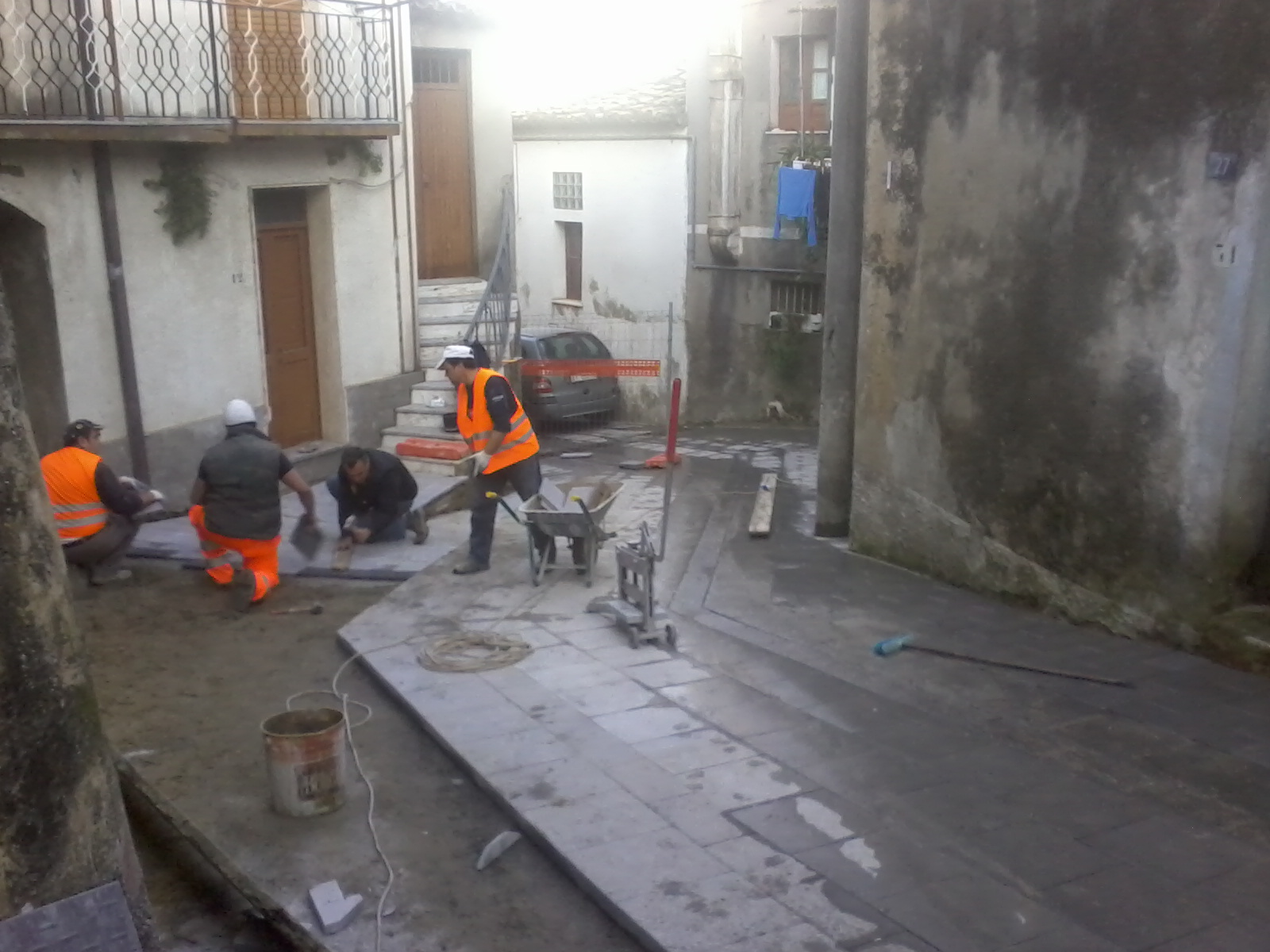
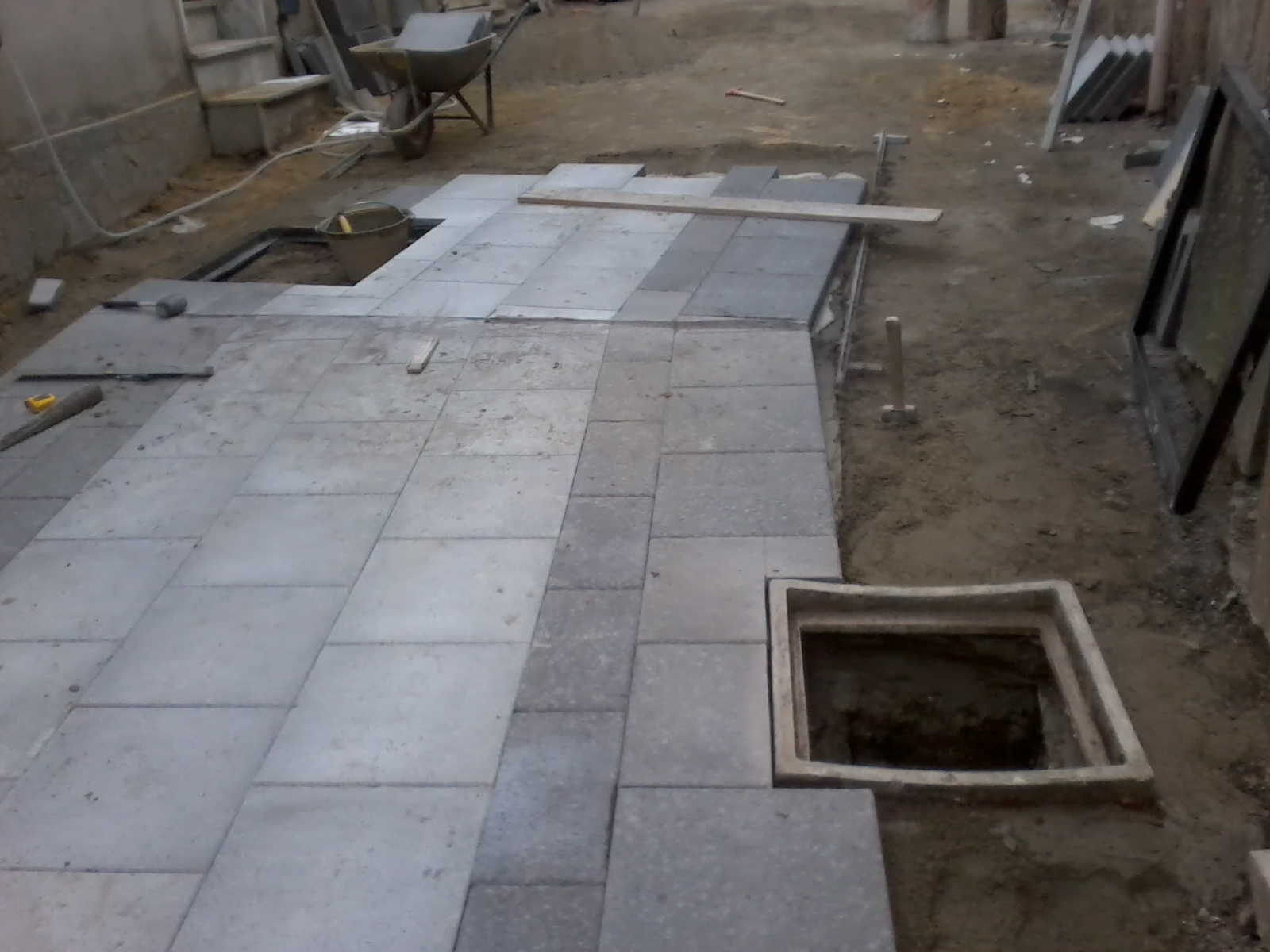
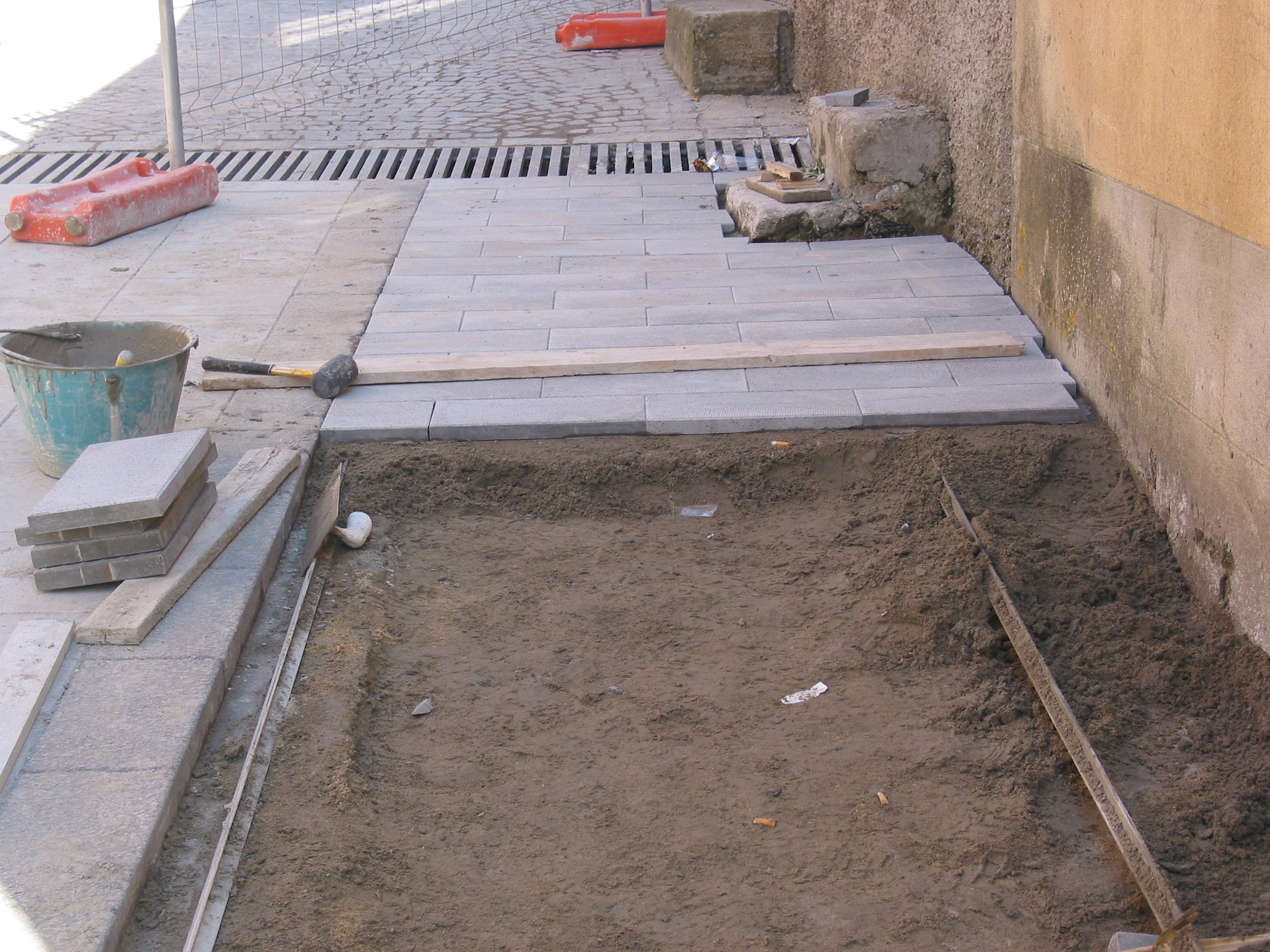
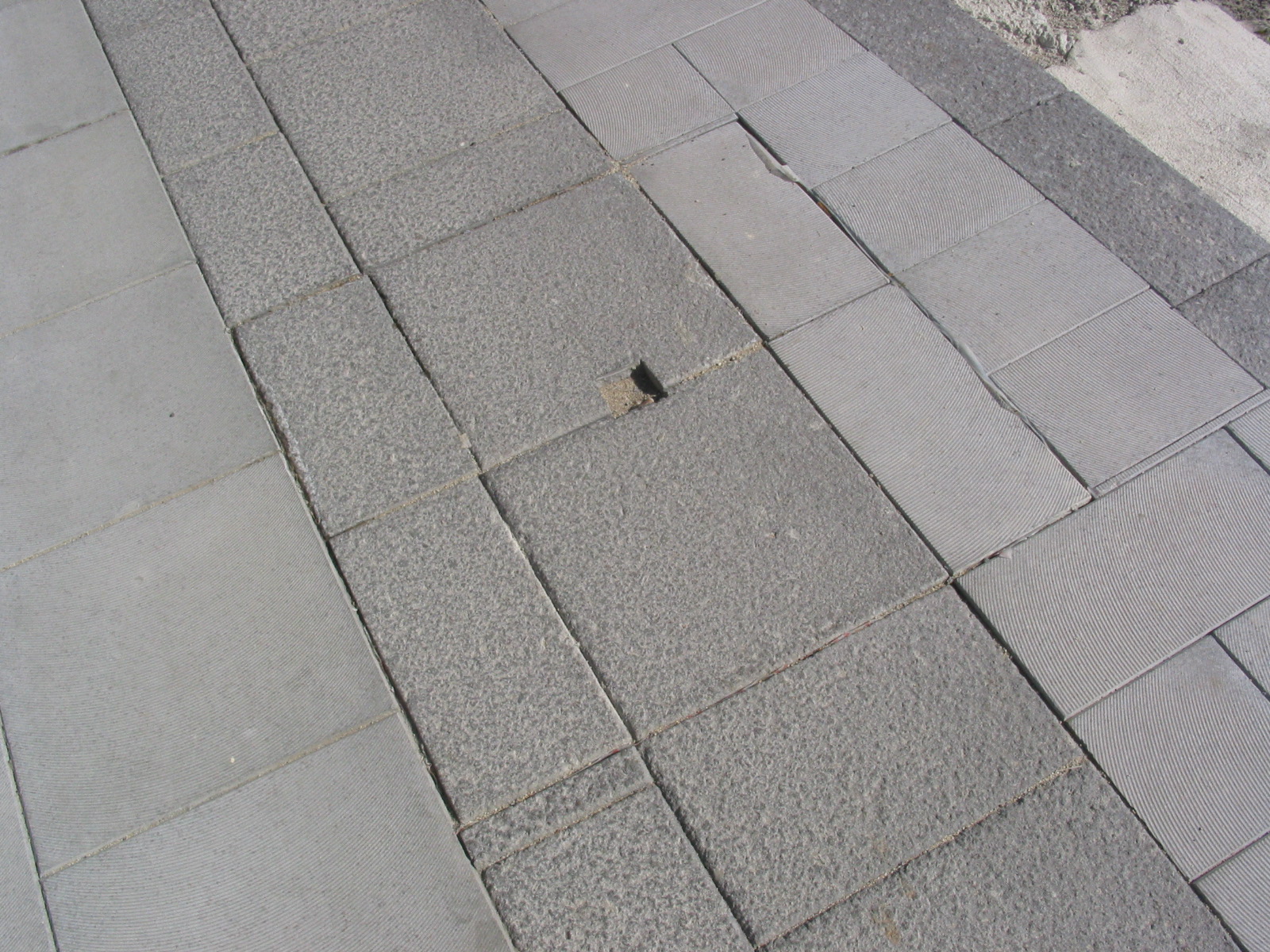
These guidelines are purely indicative and summarize common practices in the paving sector, developed on the basis of experience gained over time. They in no way constitute binding requirements or specific technical instructions for our products.
They do not replace design, execution or structural assessments by qualified professionals or by the Works Management team, who remain responsible for defining the most suitable installation method.
Factors to consider when choosing the installation method
The most suitable installation method must be identified case by case, considering technical and functional factors such as:
Intended use of the surface (pedestrian, vehicular, indoor or outdoor, areas exposed to concentrated loads or mechanical stress);
Format, thickness and dimensions of the elements to be installed;
Climate and environmental conditions at the site;
Characteristics of the existing base (screed, sub-base, slope, drainage, etc.).
All these assessments must be performed by qualified technicians, who shall define the most appropriate solution to ensure safety, durability and performance of the paving.
Preliminary requirements – Screed construction
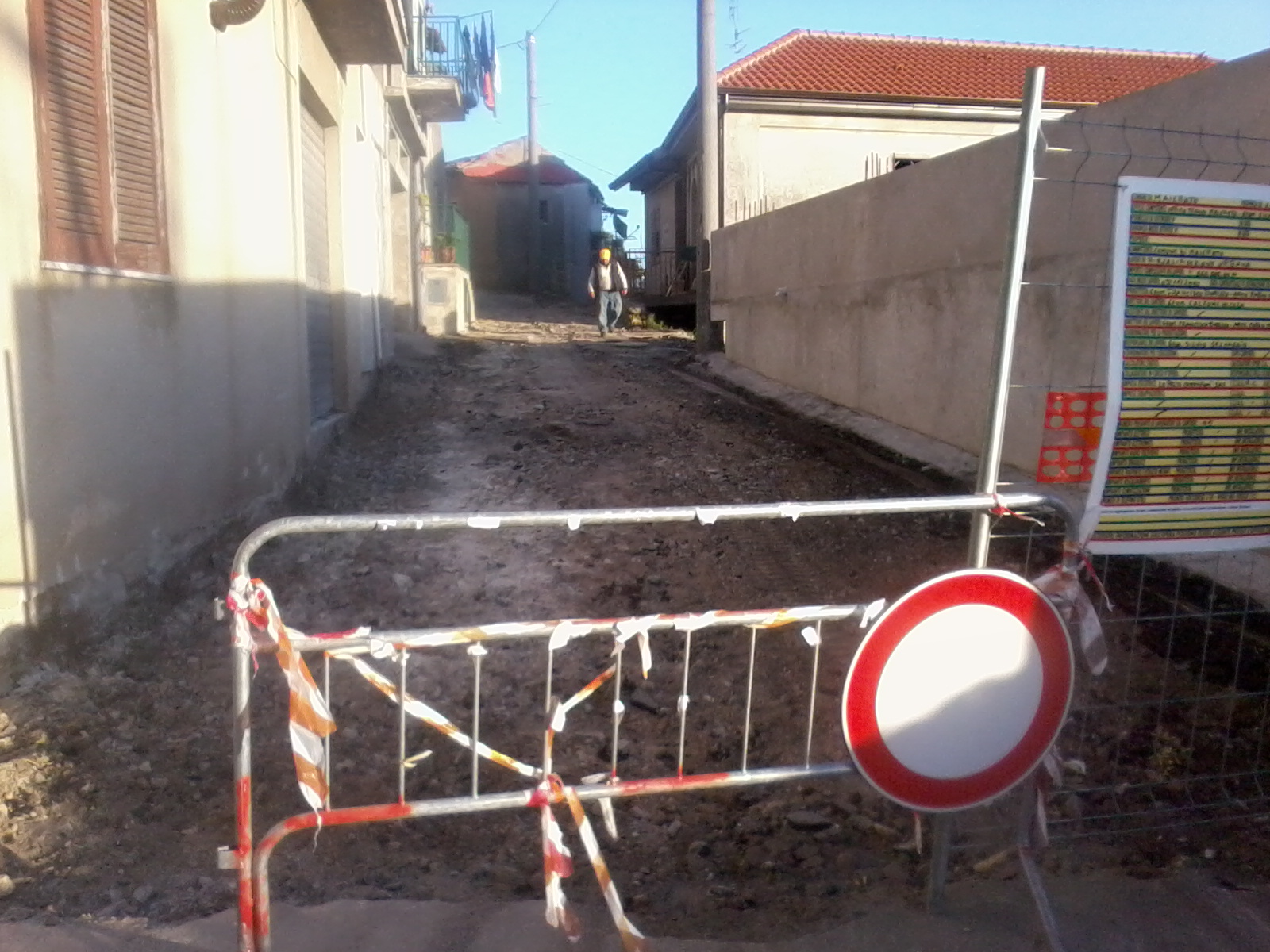
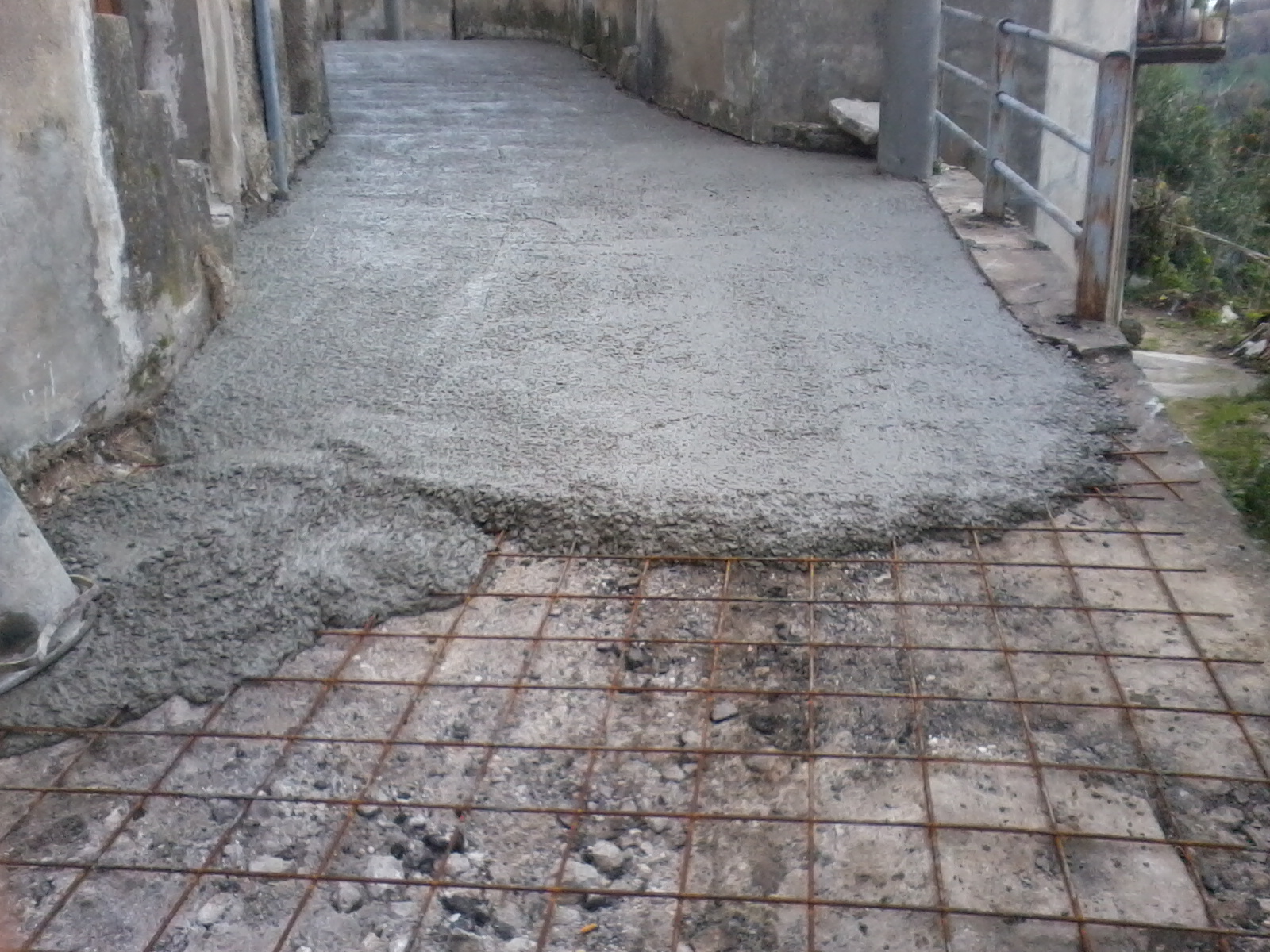
Regardless of the installation method chosen, it is essential to prepare a stable, compact and resistant concrete screed to prevent settlement, sagging or deformation, especially in areas with heavy traffic or demanding operating conditions.
The screed can be built on a coarse-aggregate drainage layer or directly on the ground, depending on soil characteristics.
It must be made with well-compacted concrete and a thickness suitable for the expected load;
When necessary, reinforcement with single or double welded wire mesh is recommended.
Recommended installation methods (for guidance)
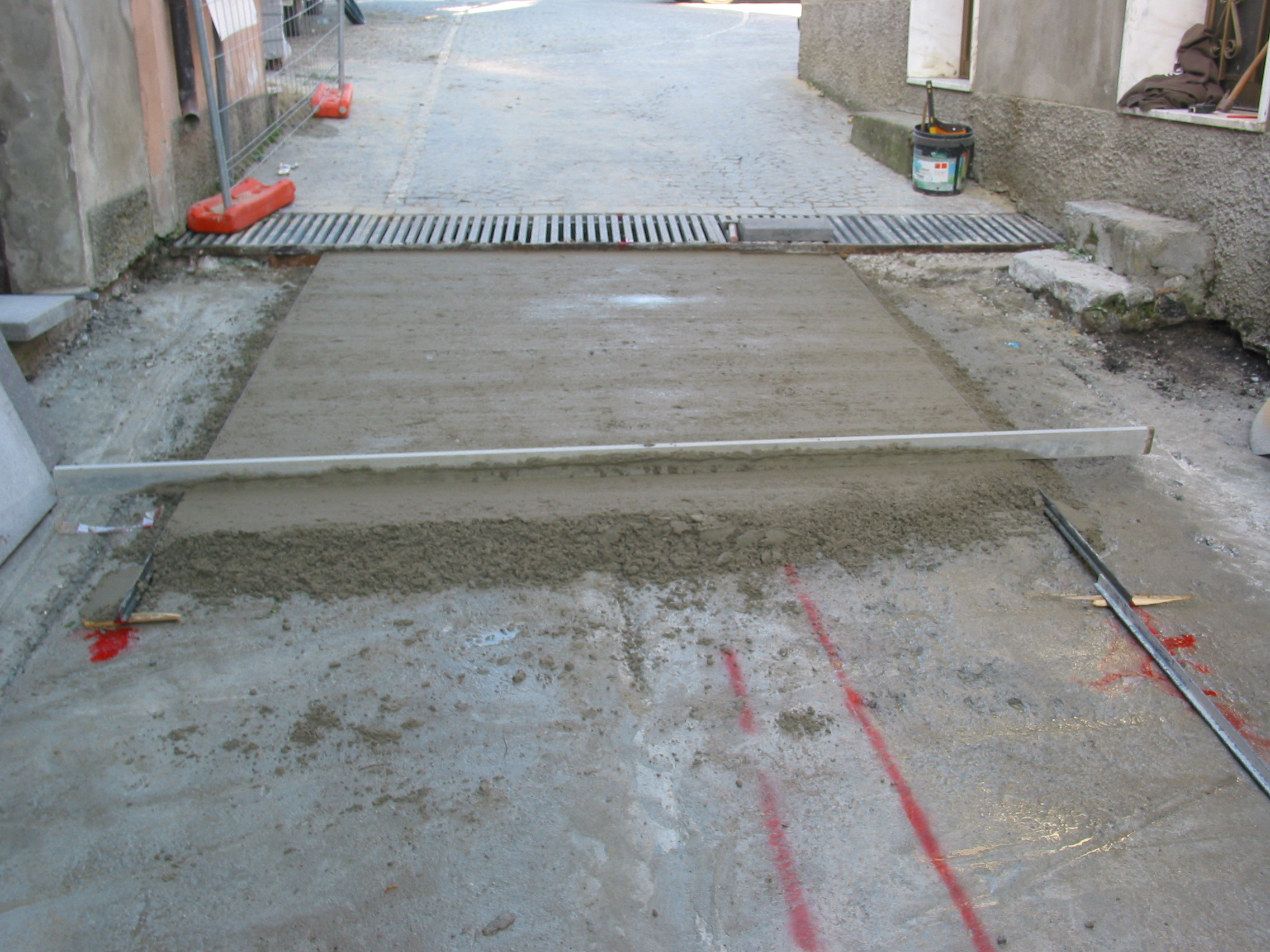
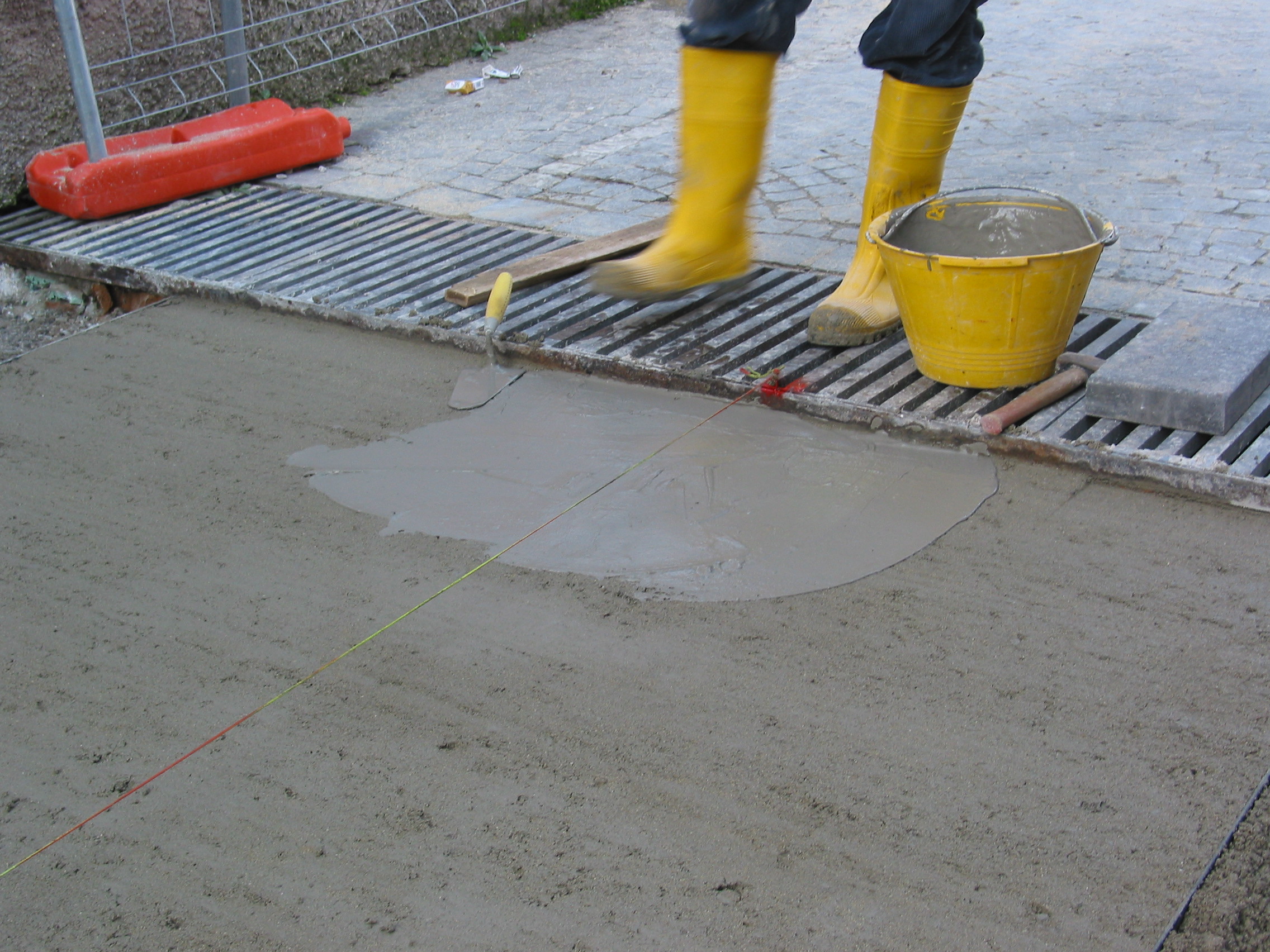
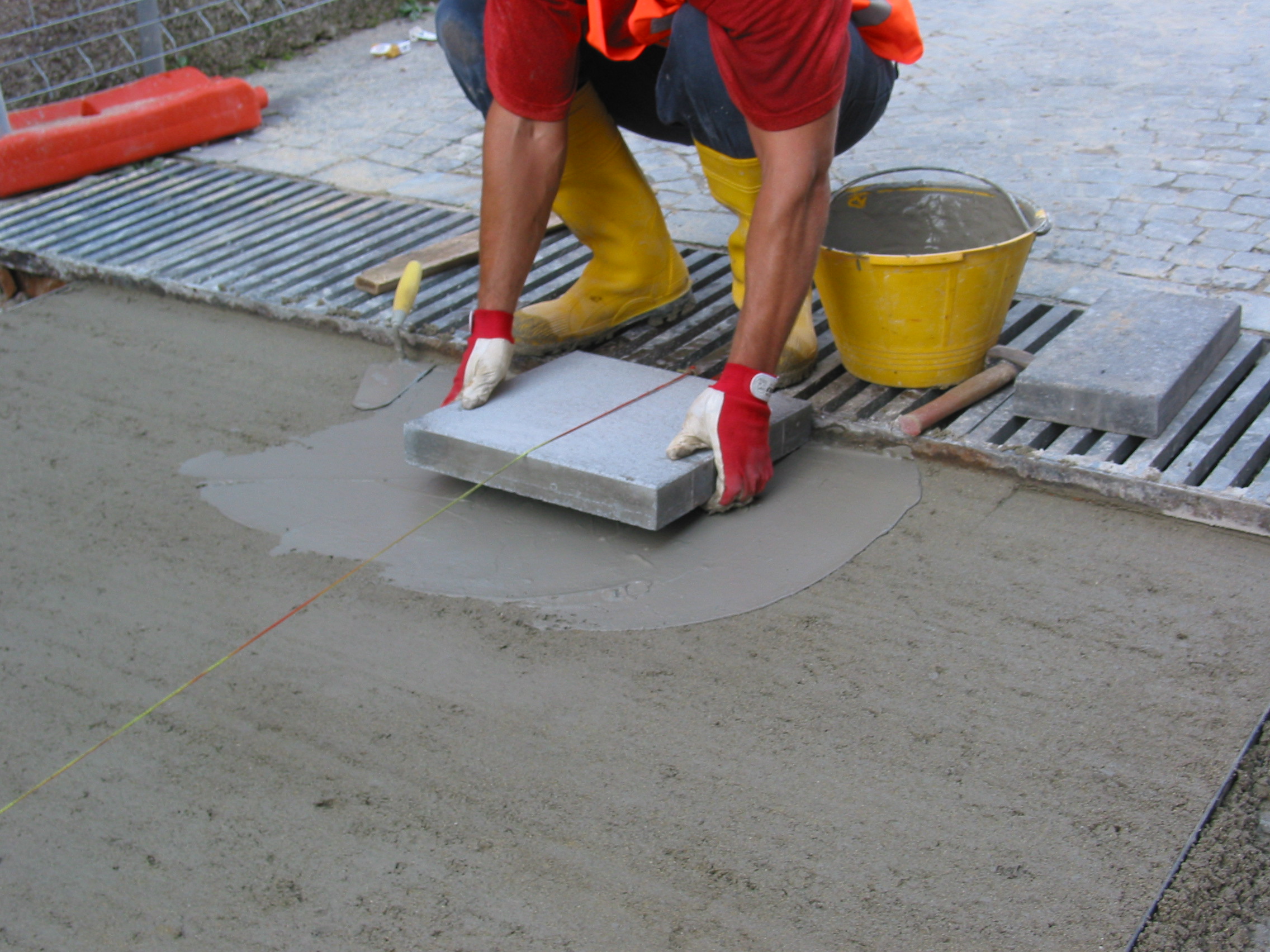
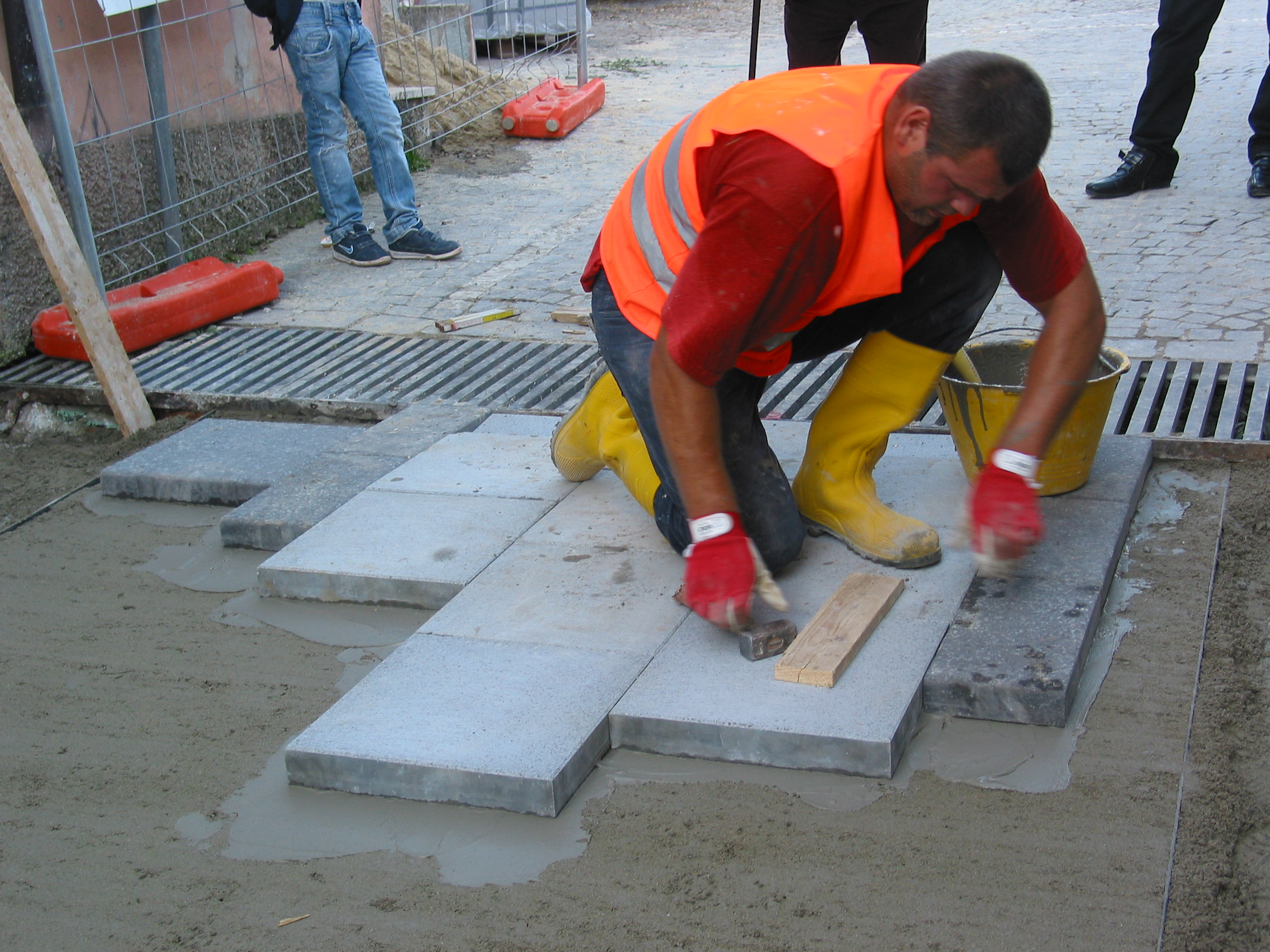
1. Installation on fresh cement mortar bed (fresh-on-fresh)
(Suitable for pedestrian or vehicular contexts, when properly designed)
Apply a fresh layer of cement mortar.
Then apply fluid cement slurry over it and immediately lay the slabs, making sure that the back side is fully covered by the slurry.
THE USE OF DRY CEMENT DUST INSTEAD OF SLURRY IS NOT RECOMMENDED, ESPECIALLY IN VEHICULAR AREAS, AS IT MAY REDUCE ADHESION.
The bedding layer must be designed by a qualified technician according to the expected traffic and must ensure long-term stability, resistance to deformation and load resistance.
2. Installation with adhesive (cement-based adhesive)
(Suitable only for pedestrian surfaces)
The screed must be perfectly dry, cured and stable: this is essential to prevent detachment, swelling or cracking.
Use outdoor adhesives compatible with compact, low-absorption materials.
Strictly follow the adhesive manufacturer’s instructions, including open time, setting time and environmental conditions.
Apply the adhesive with a notched trowel, ensuring full coverage on the back of each slab.
Before opening the floor to normal traffic, wait for the time defined by the Works Management team.
After installation, protect the floor for at least 24 hours from rain, washout and direct sunlight.
Joints and final cleaning
Joints between slabs must always be sealed, consistently with the installation method and project requirements.
When cement slurry is used, immediate surface cleaning is essential before the material hardens.
Any cement residue must be removed before hardening, using a damp sponge or wet broom.
Late cleaning on hardened cement may cause permanent damage or aesthetic alterations to slab surfaces.
Limitation of liability
FIMAS s.r.l guarantees the quality and conformity of the supplied materials, but cannot be held responsible for issues arising from design choices, improper installation techniques or non-compliant site conditions.
The company declines any liability, including civil or criminal liability, connected with installation works.
Video: creamy cement application on fresh cement mortar
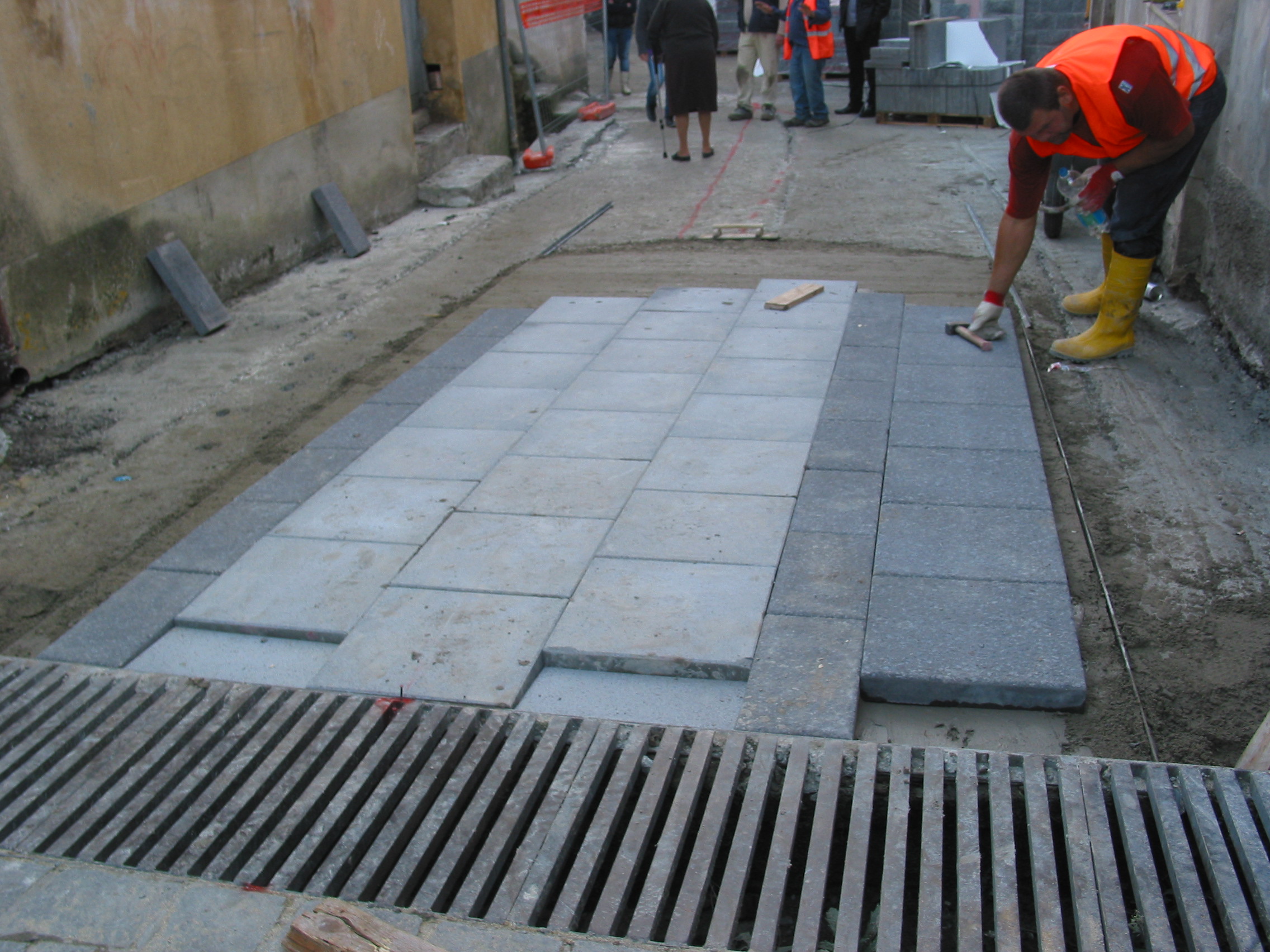
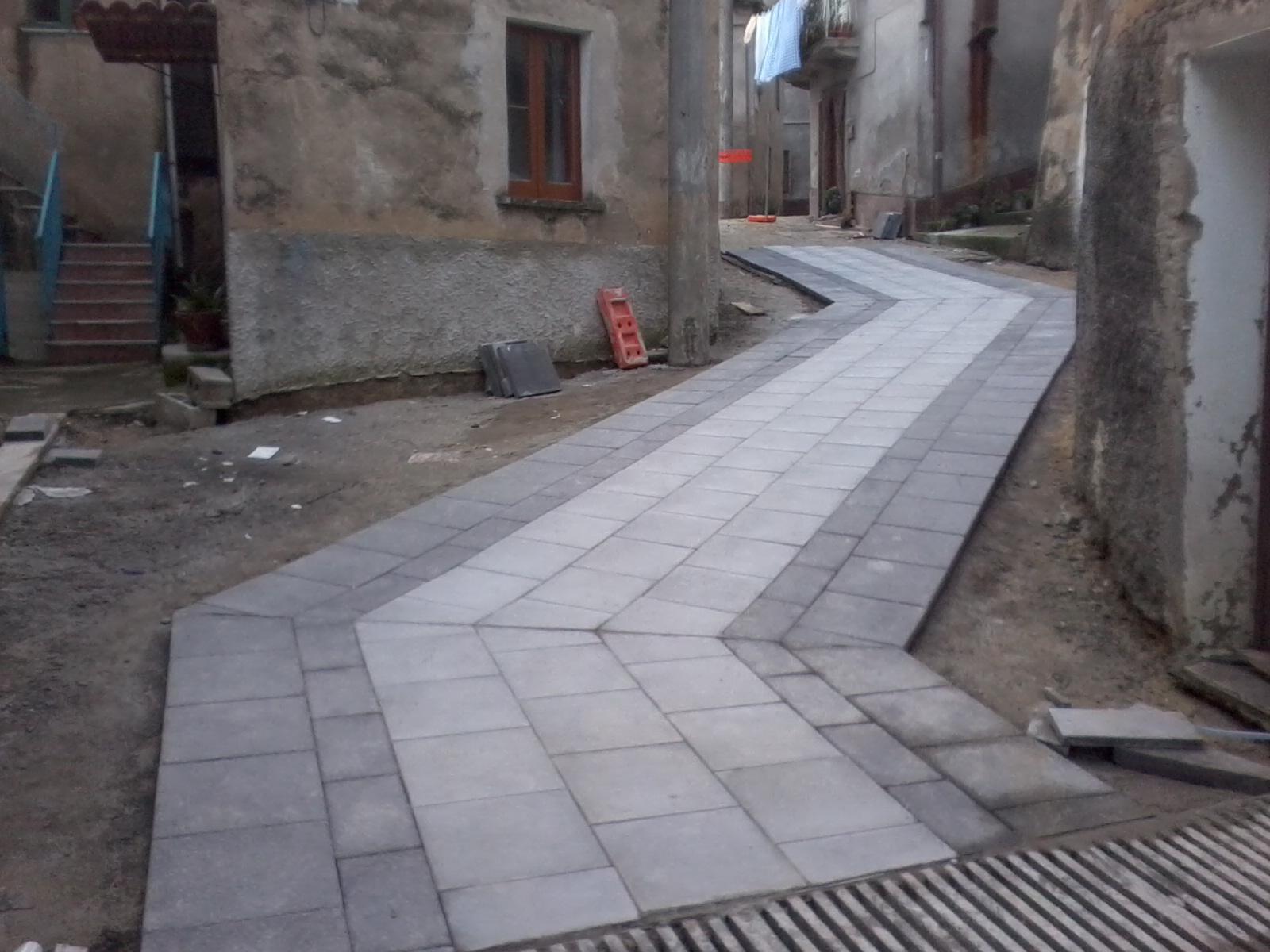
Installation layout
Execution phases for installation with fresh cement mortar

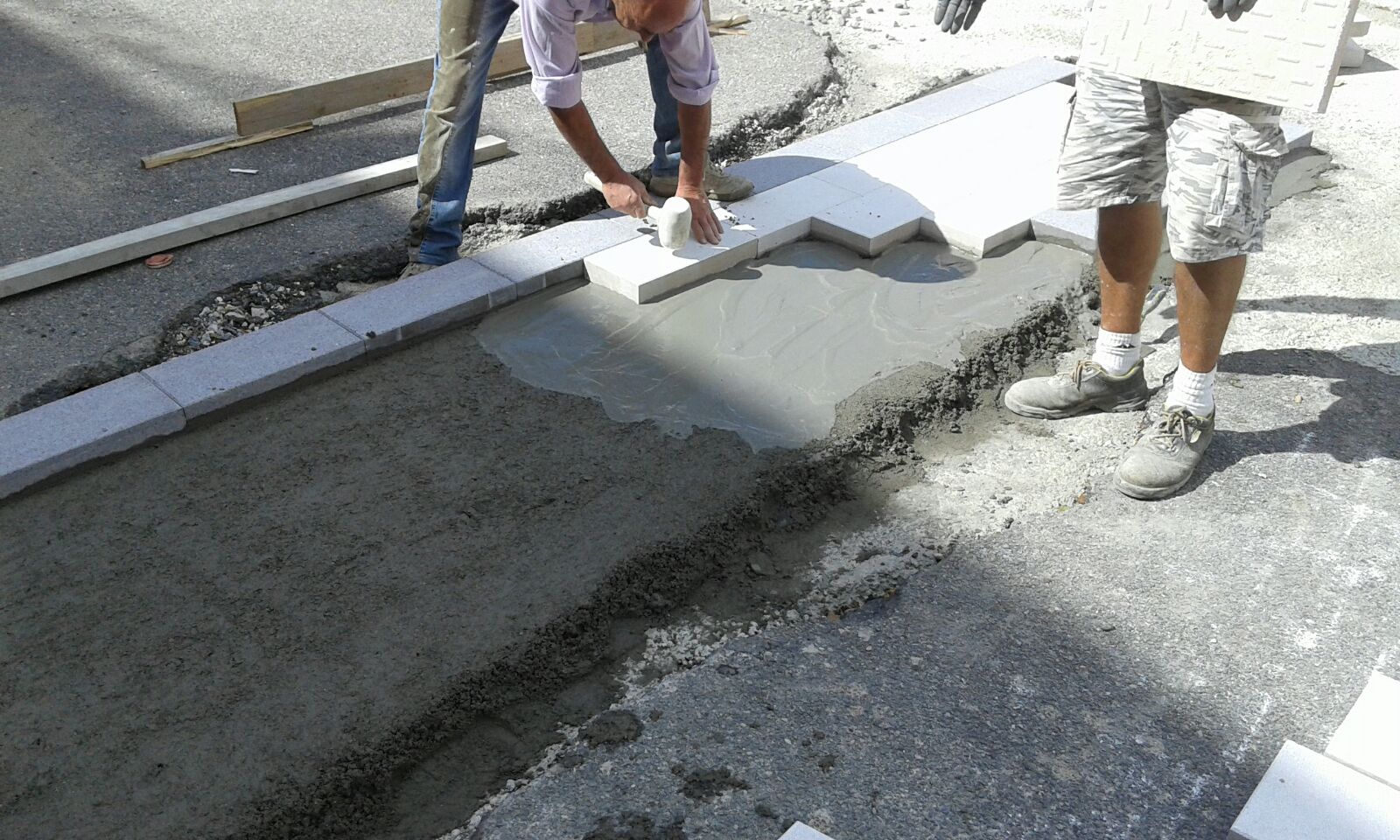
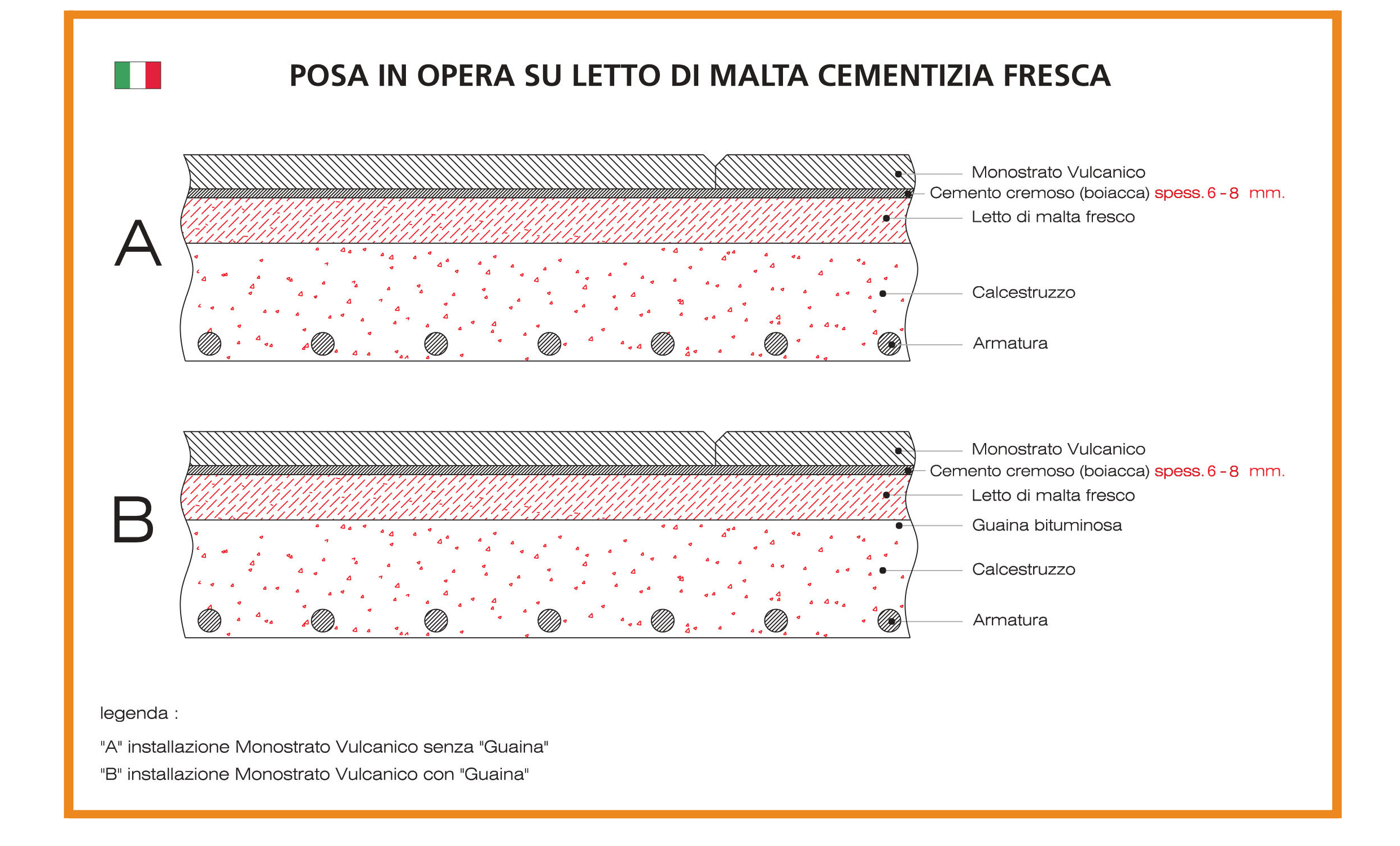 Execution phases for installation with fresh cement mortar